
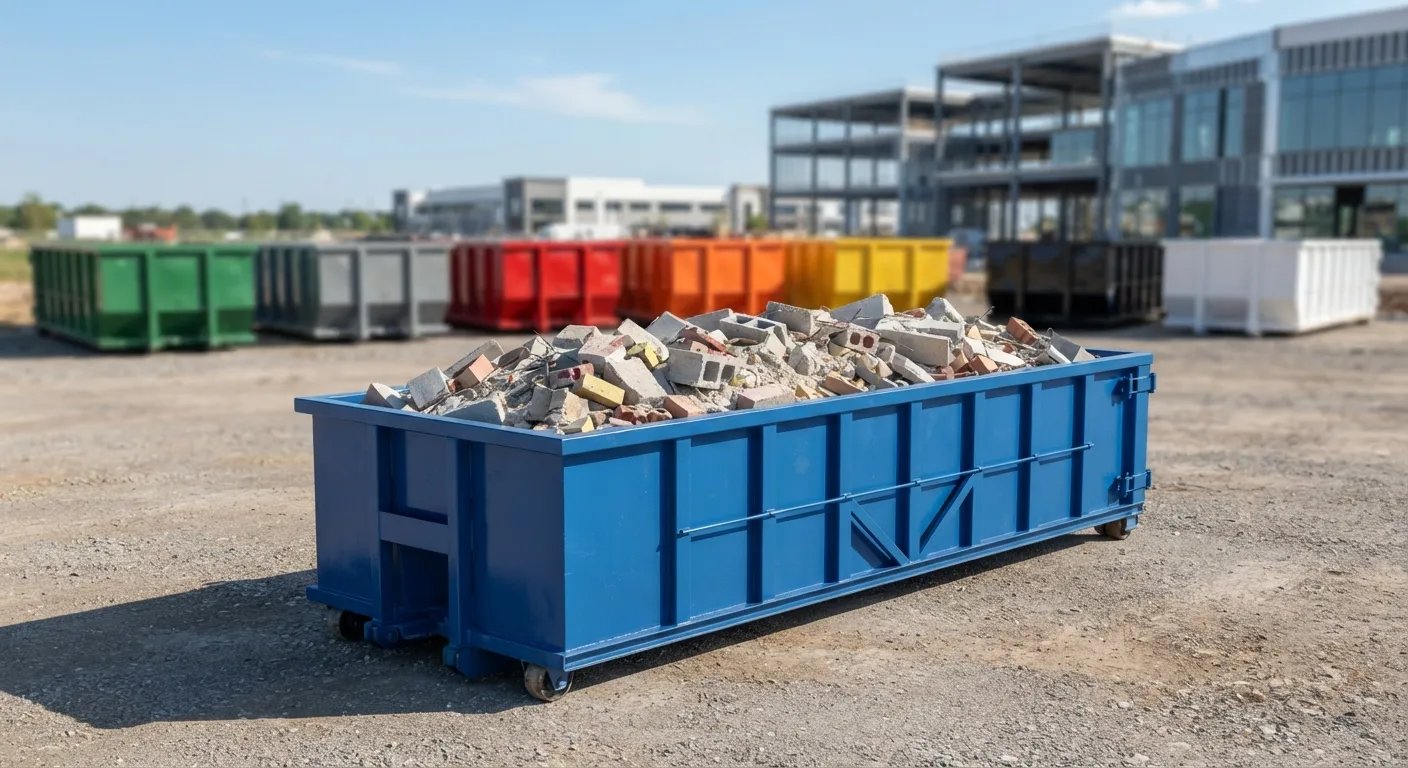
How many tons does a 30 yard dumpster hold?
A 30 yard box from Brick Porta Pros generally holds about 4 tons of mixed debris before you hit overage charges, though the true ceiling depends on what you're loading. Concrete and shingles are dense and hit the ton limit fast even in a partly empty container. Household junk and construction scrap are lighter by volume, so the box fills up visually before the scale ever complains. If you're clearing out a Brick renovation project, check what cannot go in a dumpster before you toss tile debris or old drywall, since some materials get weighed and billed separately. Renters comparing box sizes should look at dumpster sizes and dimensions before booking, because a shorter, wider box handles heavy debris better than a tall one that looks bigger but tips the scale sooner. Pricing on a 30 yard runs inside the dumpster rental cost ranges most Brick homeowners already expect, and a week-long rental sits well above a single day rental on that same table. For anyone comparing options outside Brick, roll off dumpster rental in Dayton Ohio and roll off dumpster rental in San Antonio operate on similar tonnage math even though local rules differ.
How much does a 20 yard dumpster weigh empty?
An empty 20 yard dumpster generally weighs a few thousand pounds before anything gets loaded, and that tare weight gets subtracted at the scale so you're only billed for what you actually threw away. This matters more than people expect. A 20 yard dumpster holds around 3 tons of debris on top of that tare weight, which is plenty for a kitchen gut job or a garage cleanout in Brick but tight for a full roof tear-off. If you're not sure which size fits, the 10 yard dumpster rental and 20 yard dumpster rental pages break down what each size actually holds by project type. Heavier jobs, like a full basement demo, usually call for the 30 yard dumpster rental or even the 40 yard dumpster rental instead, since cramming dense debris into an undersized box just triggers overage fees. Anyone running a full remodel should also check dumpster permit requirements, because placement on a street or right of way in Brick needs confirming with the city before delivery day.
How many tons does a 40 yard dumpster hold?
A 40 yard dumpster generally holds around 5 tons of debris, making it the choice for large-scale demolition, whole-house cleanouts, or commercial builds where volume and weight both run high. That said, tonnage still depends heavily on material density. A 40 yard box full of light debris like insulation or drywall scraps might never approach its weight limit, while the same box loaded with wet lumber or roofing material can hit the cap with room still visible inside. Contractors working construction site services in Brick often pair a 40 yard box with other equipment on site, including temporary fence rental around the work zone and a light tower rental for early morning or after-dark work. OSHA's housekeeping standard at 1926.25 requires debris to be cleared from work areas regularly, so oversized boxes that avoid mid-job swaps keep crews compliant without extra hauls. Disposal chutes and enclosures used to funnel debris into these containers fall under OSHA 1926.252, worth knowing if your Brick site uses upper-floor chutes to load the dumpster from a second story.
Why do dumpster weight limits matter for Brick projects?
Weight limits matter because going over the ton allowance triggers per-ton overage fees added to your final bill, and that catches people off guard more than any other part of the process. A 20 yard, 30 yard, and 40 yard dumpster all carry different baseline tonnage, and mixing dense material like concrete, brick, or dirt into a general debris load is the fastest way to blow past the limit even in a box that looks half full. Brick homeowners doing driveway removal or pool demolition should ask specifically about weight caps before ordering, since concrete debris is deceptively heavy per cubic foot. For general renovation debris without heavy masonry, the home renovation porta potty and dumpster combo is common on residential jobs, letting one delivery cover both crew sanitation and debris hauling. Point Pleasant sits about 3.6 miles northeast of Brick, and delivery trucks serving both towns need roughly 60 feet of straight clearance behind the truck to place a roll-off safely, whether the job site is on a tight residential street or a wider commercial lot.
How do I know which dumpster size I need for my weight of debris?
Match the material, not just the volume. Concrete, dirt, and shingles are dense and need a smaller box with a higher weight allowance per yard, while bulky household junk needs more space than weight capacity. Check dumpster sizes and dimensions for a size-by-size breakdown before booking.
What happens if I go over the weight limit?
You get charged an overage fee per ton beyond the included allowance, added to your final invoice after the dumpster is weighed at the disposal facility. Ask Brick Porta Pros for the specific ton allowance on your box size before loading heavy material.
Can I put concrete or dirt in a regular dumpster?
Sometimes, but check first since dense material like concrete and dirt fills the weight limit fast even in a large box. Some providers require a dedicated heavy-debris container instead. Review what cannot go in a dumpster before loading.
Do smaller dumpsters have lower weight limits?
Generally yes. A 10 yard or 20 yard box holds less tonnage than a 30 or 40 yard box, though the difference isn't always proportional to size. Compare options on dumpster sizes and dimensions before choosing.
Is a permit required for dumpster placement in Brick?
Placement in the public right of way needs confirming with the city before delivery. Driveway placement usually avoids permit questions entirely. See dumpster permit requirements for what to ask before your delivery date.
Next step
Get a delivery date
Tell us the address, the dates and the headcount. We size the order and confirm the route.