
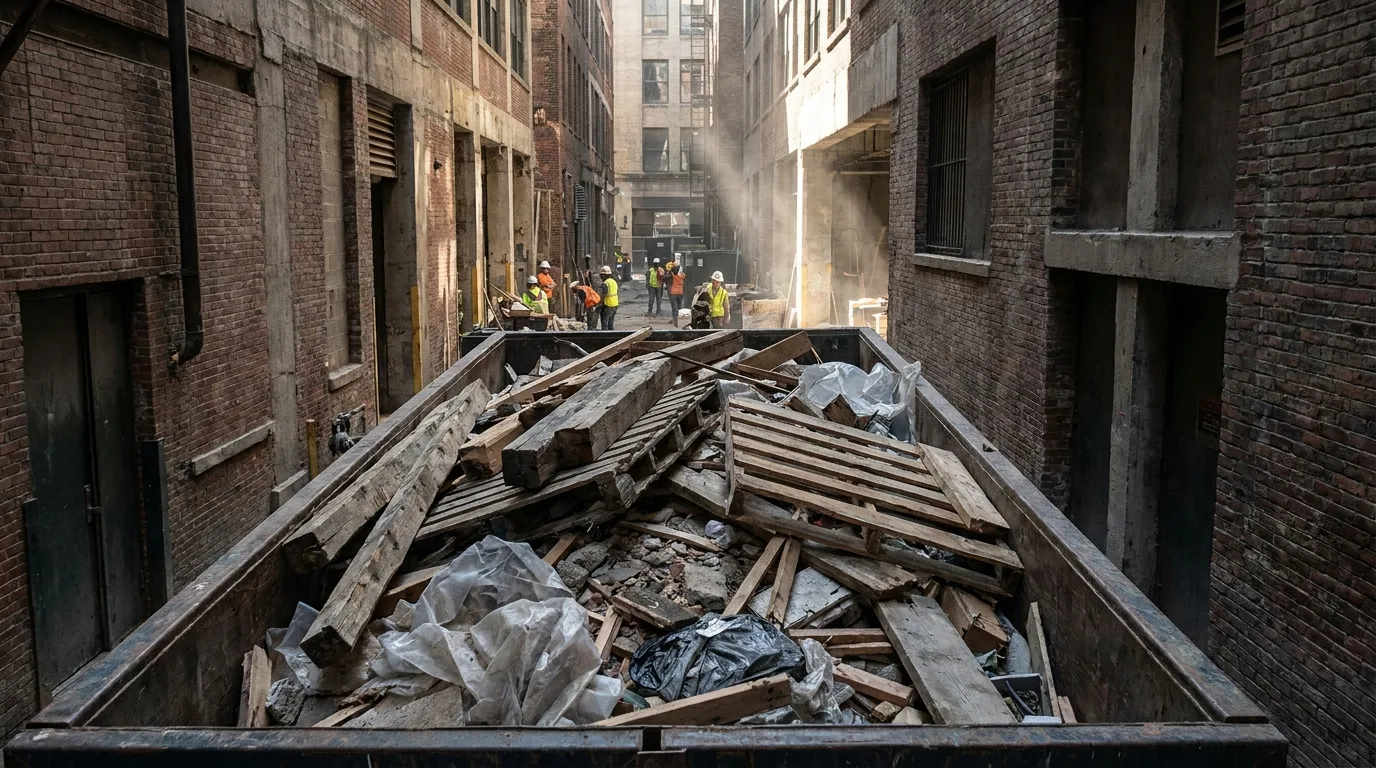
What Items Are Banned From a Dumpster?
Paint cans, motor oil, pesticides and solvents top the list. Landfills treat these as hazardous waste, and haulers can refuse the entire container if inspectors find even one leaking can mixed into construction debris. Tires are banned almost everywhere because they trap gas and take up landfill space that operators charge extra to manage. Car batteries and other lead-acid batteries fall under the same rule. Propane tanks, even empty ones, can explode under compaction, so they never go in with general debris. Refrigerators, freezers and window AC units usually need the refrigerant removed first, since it's regulated separately from the metal shell. If your project involves any of these, ask Brick Porta Pros about separate pickup instead of trying to hide them under drywall scraps, whether you're running a 10 yard dumpster rental for a small cleanout or something larger. Renting the wrong container size doesn't help either. Check dumpster sizes and dimensions before you order so the crew isn't tempted to overload one bin with mixed material.
What Happens If I Put a Banned Item In My Dumpster?
Expect a rejected load, a return trip, or a contamination fee, since transfer stations screen incoming loads and haulers pass the cost back to the renter. A single car battery or a can of old paint found mid-load can stop the whole dumpster from being processed until it's pulled out by hand. That's slower and costlier than sorting it out up front, so most crews on a construction dumpster rental job keep a separate five-gallon bucket for anything questionable, the same way they'd keep a portable toilet rental stocked and separate from the debris pile. Weight is a related issue: overloading past the rated limit brings its own charge, detailed on dumpster weight limits. Brick jobs near the water table also get extra scrutiny on anything that could leach, which is one more reason to keep hazardous material out entirely. If you're not sure whether something qualifies, call before the truck shows up rather than after it's buried under a week of debris, and check porta potty permit requirements too if you're setting up restrooms on the same site.
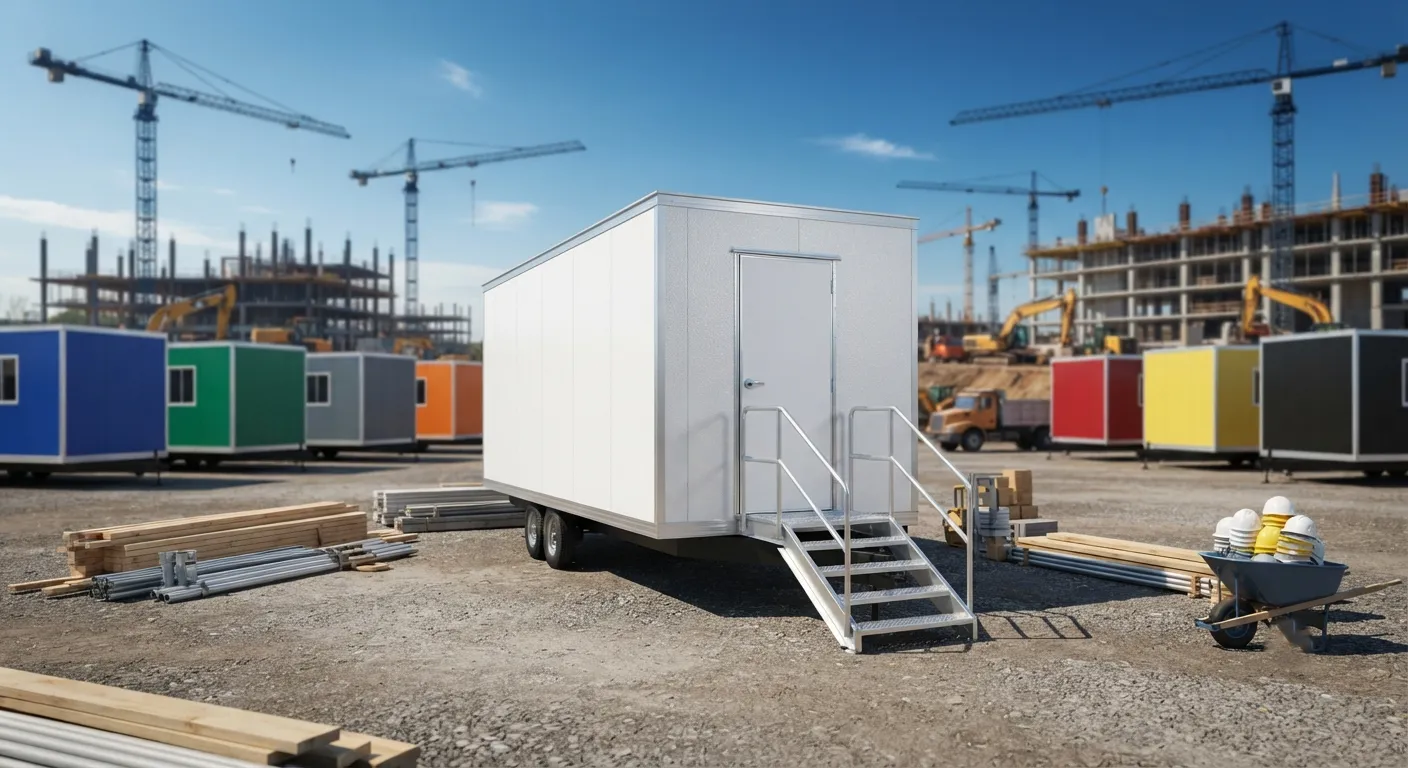
Can I Throw Away Electronics or Mattresses?
Some haulers allow mattresses and box springs with a small surcharge, but electronics with circuit boards or batteries usually need a separate drop-off. Brick Porta Pros can tell you at booking whether your load needs a split pickup. Mattresses take up volume fast, and box springs especially don't compact well, so they're often billed per unit rather than folded into the general debris rate. TVs, monitors and computer towers contain materials that most transfer stations won't accept mixed in with construction waste, home renovation debris, or yard cleanup material. If you're clearing out a house during a home renovation porta potty job, plan for a separate run for anything electronic, and if the crew needs a restroom on site, porta john rental covers that. The same goes for old furniture with foam cushioning treated with flame retardant, which some facilities flag on inspection. When in doubt, ask before loading rather than finding out at the scale.
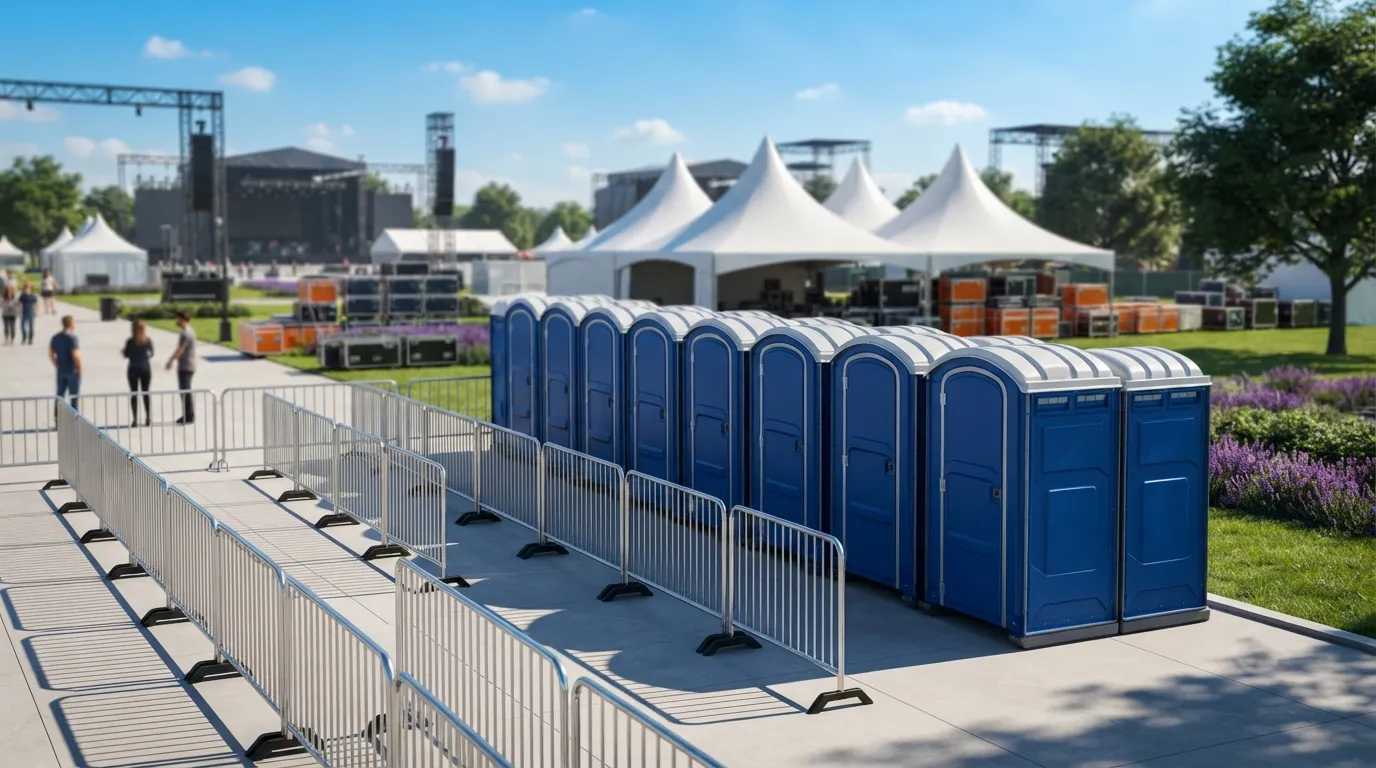
What About Wet Waste or Liquids?
Liquids of any kind, wet paint, and standing water in appliances all count against a load and should never go into a roll-off. Wet material weighs more, drains poorly, and can leak from the container during transport, which creates a mess the hauler has to clean up and bill for. Standing water left in an old washing machine or water heater counts the same way. If your project generates liquid waste on a regular basis, like a restaurant kitchen managing fats and oils, that's a different service entirely. Grease buildup gets pumped once it reaches about 25 percent of the liquid depth in the interceptor, which is a job for grease trap pumping, not a dumpster. For septic-related cleanouts during a remodel, see septic pumping service instead, and if the tank hasn't been serviced in years, septic tank warning signs is worth a read first. Brick properties near the bay sometimes deal with higher water tables, so keeping liquids separate from a dumpster load matters more here than it does inland, and a holding tank rental is a better fit for sites that generate liquid waste daily.
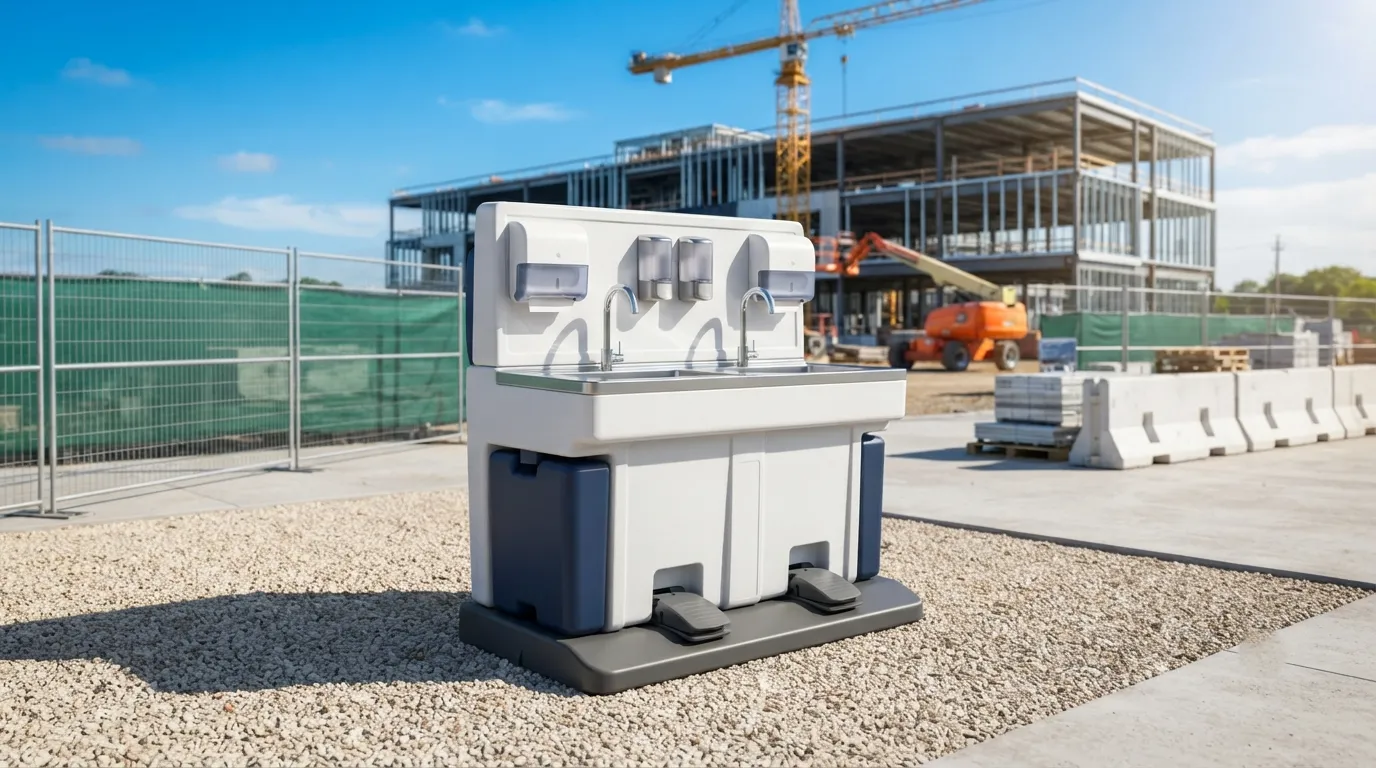
What This Means for Permits and Placement
Dumpsters placed in a driveway usually need no paperwork, but street placement in Brick often requires checking with the city first, since public right-of-way rules vary by block and aren't something to guess at. See dumpster permit requirements for what to ask about before delivery, and pair that call with a look at temporary fence rental if the site also needs to be secured. A standard 20-yard bin from 20 yard dumpster rental needs open, level ground to sit safely, and roll-off trucks typically need around 60 feet of straight clearance behind the drop point to place and pull the container without backing into landscaping or parked cars. If you're comparing sizes for a bigger tear-out, 30 yard dumpster rental and 40 yard dumpster rental both need more clearance than a 10-yard box, and a bigger job usually calls for storage container rental too if materials need to sit on site. Pricing details live on dumpster rental cost if you want the full breakdown before you call, and homeowners near Point Pleasant or Howell can check those pages for nearby service notes too.
| unit | duration | typical |
|---|---|---|
| dumpster | day | $75 |
| dumpster | weekend | $440 |
| dumpster | week | $600 |
| dumpster | month | $108 |
Can I put drywall or shingles in a roll-off?
Yes, drywall and roofing shingles are standard construction debris and go in fine. Weight adds up fast with shingles though, so check dumpster weight limits before filling the bin, especially on a full tear-off job in Brick.
Are paint cans ever allowed?
Only if fully dried out and empty. Wet or liquid paint counts as hazardous waste and needs separate disposal, not a spot in your roll-off.
Do I need a permit for a driveway dumpster in Brick?
Usually not for a private driveway. Street or right-of-way placement is different and needs confirming with the city directly, since Brick's rules on public space vary by location.
What size dumpster do most Brick homeowners rent?
Most home cleanouts and small remodels use a 20-yard container. Bigger tear-outs or whole-house gut jobs usually move up, covered on construction dumpster rental.
Can appliances go in a dumpster?
Appliances without refrigerant, like stoves or dishwashers, are usually fine. Refrigerators and AC units need the refrigerant removed first, so ask Brick Porta Pros before loading one.
Next step
Get a delivery date
Tell us the address, the dates and the headcount. We size the order and confirm the route.