
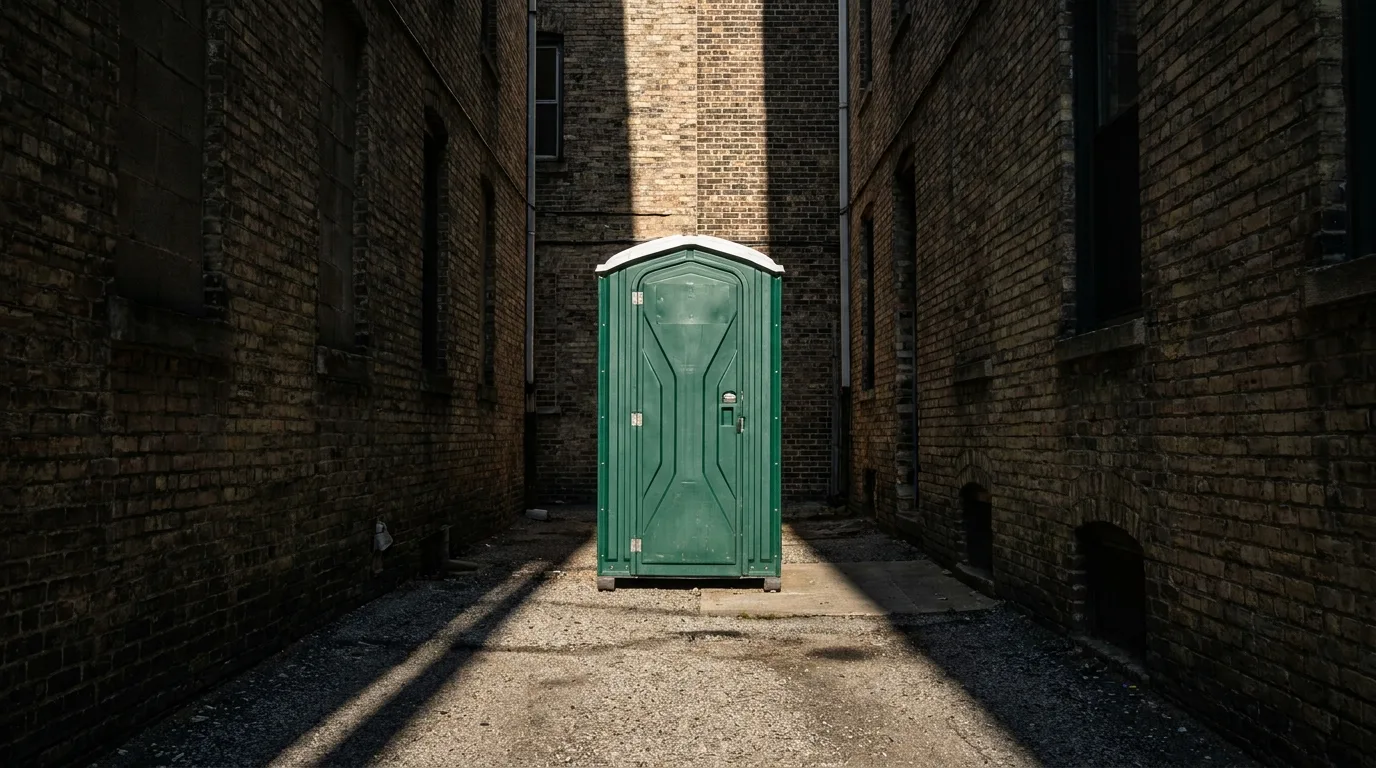
How does a standard porta potty actually work?
There is no flush. Waste drops straight into the tank below, and a blue or green chemical mix goes to work breaking down solids and knocking down odor between service visits. That tank holds 60 to 70 gallons, and the unit itself sits about 44 by 48 inches on the ground and stands roughly 92 inches tall, so it fits in tight side yards and job site corners without much fuss. Ventilation pipes and a vented door keep airflow moving so the standard porta potty rental does not turn stagnant between pump-outs. Under the industry service standard set by ANSI/PSAI Z4.3, a single unit handling up to 10 users over a 40 hour week gets serviced once weekly, though busy sites in Brick often need more. If you are trying to figure out how many units a crew actually needs, the how many porta potties do I need guide walks through the math, and OSHA 1926.51(c) sets the actual ratio: one toilet for 20 workers or fewer, scaling up from there. For pricing by rental length, check porta potty rental per day or monthly porta potty rental.
How do flushable porta potties work?
A deluxe flushable porta potty uses a small onboard freshwater tank and a foot pump or hand pump to push a measured rinse into the bowl after each use, similar to a camper toilet. The waste still goes into a holding tank below, just like a standard unit, but the flush cuts down on odor and gives a cleaner feel for weddings and upscale events. Some deluxe models add a sink with its own small reservoir, working the same way a portable sink rental does: foot pedal or hand pump draws from a clean water tank, drains to a separate gray water tank, no hookup needed. For anyone asking how a portable sink works on its own, that is the whole mechanism, pump in, drain out, no plumbing involved. Weekly deluxe rates in Brick run from about 150 to 290 dollars depending on features. See the full breakdown on the deluxe flushable porta potty page, and for accessible options that meet ADA Standards 213.2 clustering rules, look at ADA accessible porta potty rentals.
What chemicals do porta potties use, and are they safe?
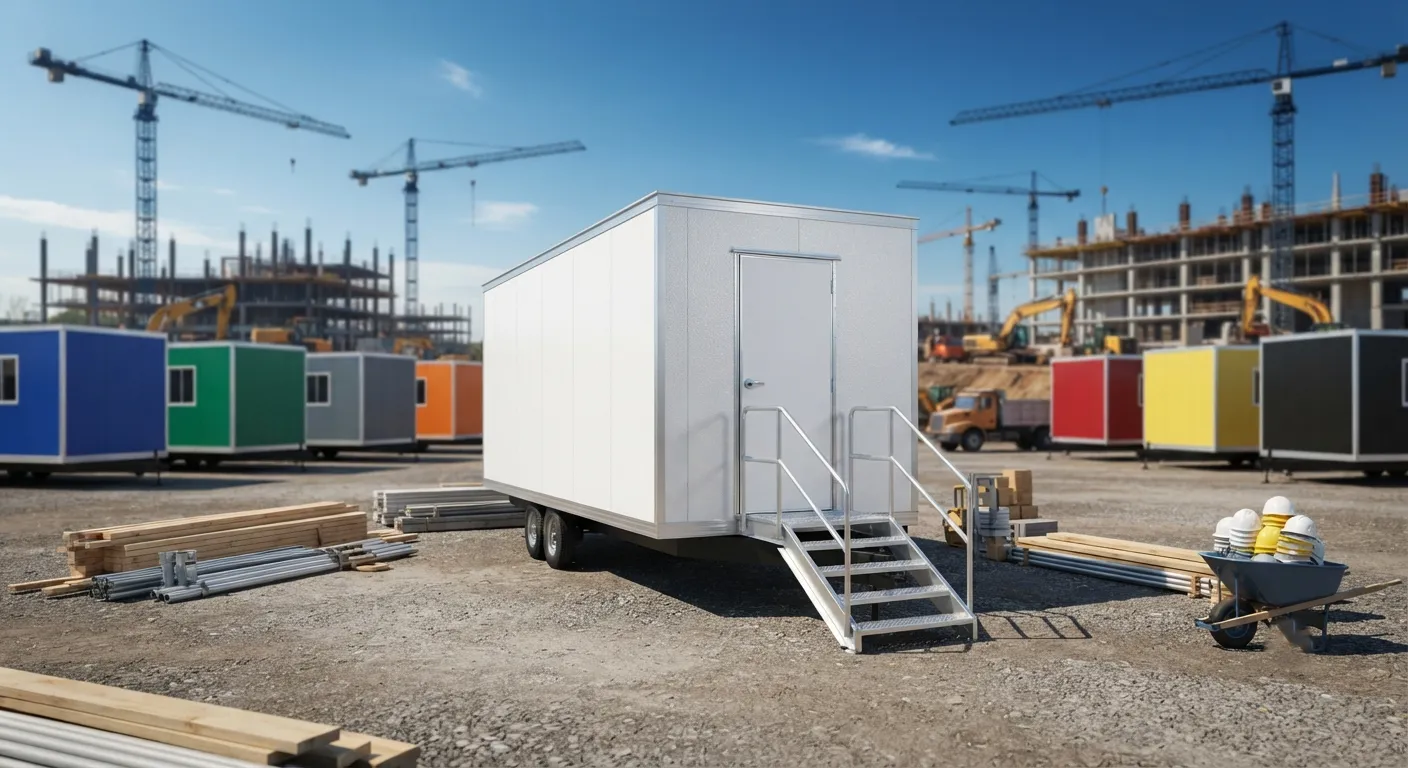
The deodorizing chemical in a porta potty tank is a non-toxic blend, usually blue or green dye with enzymes or formaldehyde-alternative compounds that break down solid waste and suppress odor between services. It is not the same as septic tank cleaning chemicals used for home systems, and it should never be mixed with additives not meant for portable units. If someone searches "portable toilet chemicals near me" expecting to buy their own, that is not typical. Servicing, including chemical treatment, comes bundled into the rental through Brick Porta Pros rather than sold separately. Standard daily rental in Brick runs in the range below, and delivery is priced separately.
| unit | duration | typical price |
|---|---|---|
| standard | day | $150 |
| standard | week | $200 |
| standard | month | $200 |
| delivery_fee | week | $100 |
For septic systems at a home, a 1,000 gallon tank is typically pumped every 3 to 5 years depending on household size, a different process entirely from porta potty servicing. See septic pumping service or how often to pump a septic tank for that side of things. Grease traps follow a different rule too: pumped once fats, oils, grease and solids hit 25 percent of liquid depth, covered on the grease trap pumping page.
How do camping porta potties work compared to job site units?
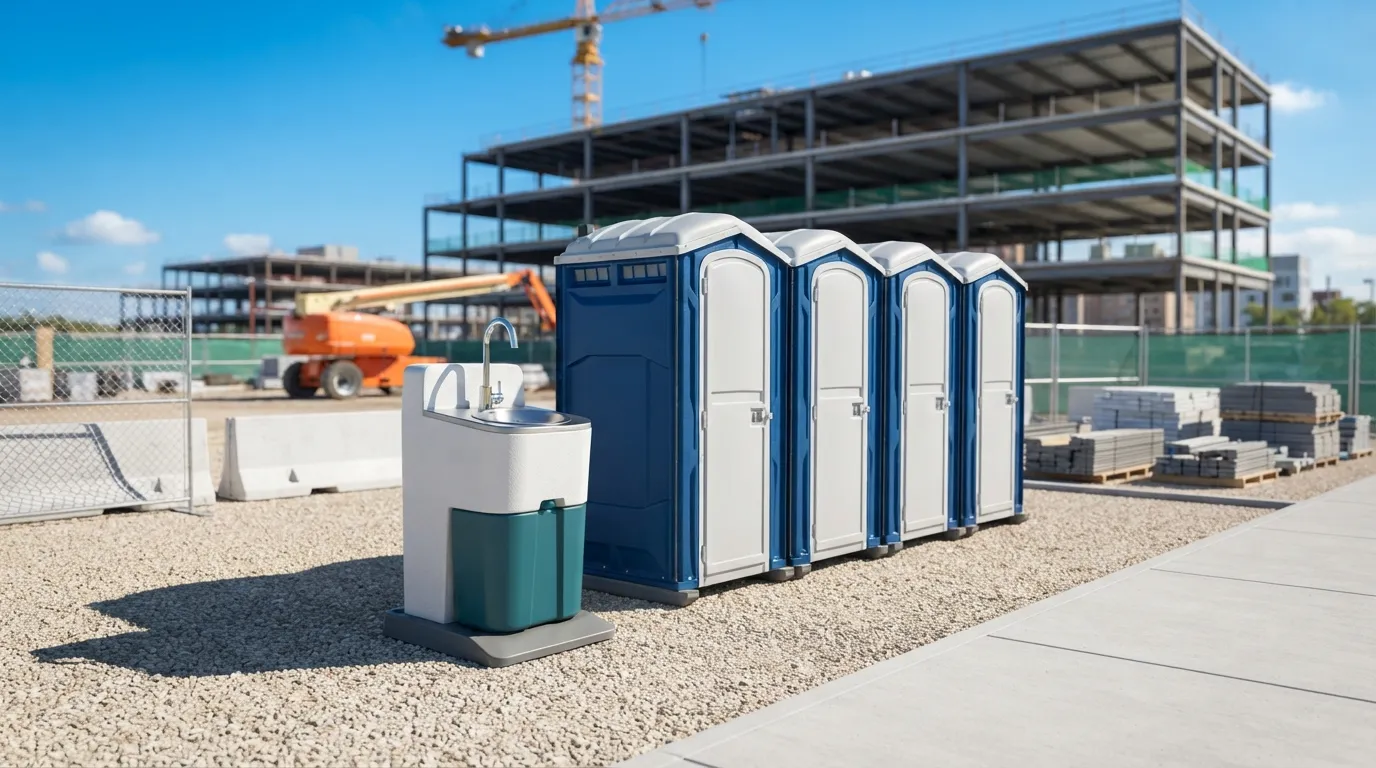
A camping porta potty works the same basic way as a construction unit, holding tank below, chemical treatment, no plumbing, just smaller and sometimes portable enough to carry by hand. Job site units delivered by Brick Porta Pros are the full-size standard model with the 60 to 70 gallon tank, built for daily heavy use by a rotating crew. For events like weddings or festivals, sizing and setup differ from a construction site, and those needs are covered separately under event restroom rental, wedding restroom rental, and festival restroom rental. Construction crews have their own considerations: OSHA 1926.51(c) sets the toilet ratio, and 29 CFR 1910.141(d)(2) requires soap and towels or a hand-drying device wherever washing facilities are provided, hand sanitizer alone does not satisfy it. That is why most job sites in Brick pair a handwashing station rental with the toilets. For placement rules and clearance, the porta potty placement guide and OSHA portable toilet requirements pages go deeper. Homeowners doing a renovation in Brick can find sizing help on home renovation porta potty, and larger builds should look at construction site services.
How often are porta potties cleaned and pumped?
Weekly is the baseline under ANSI/PSAI Z4.3 for up to 10 users over a 40 hour week, but high-traffic sites in Brick often get serviced two or three times a week. See how often are porta potties cleaned for scheduling detail.
Do porta potties smell if serviced on schedule?
Kept on a regular service interval, odor stays minimal thanks to the deodorizing chemical and vented design. Skipped services or extreme heat make smell worse. Full explanation on do porta potties smell.
Can I rent a porta potty for just one weekend?
Yes. Weekend rates for a standard unit in Brick run from about 125 to 400 dollars depending on unit type and demand. Delivery is billed separately, often as a flat weekend fee.
What is the difference between a standard and an ADA unit?
An ADA unit has a wider door, interior turning space meeting ADA Standards 304.3.1 for a 60 inch turning circle, and grab bars. See ADA restroom requirements for full specs.
Do I need a permit to place a porta potty in Brick?
Placement in the public right of way needs confirming with the city. Check porta potty permit requirements before delivery day, especially for street-facing spots.
Next step
Get a delivery date
Tell us the address, the dates and the headcount. We size the order and confirm the route.